



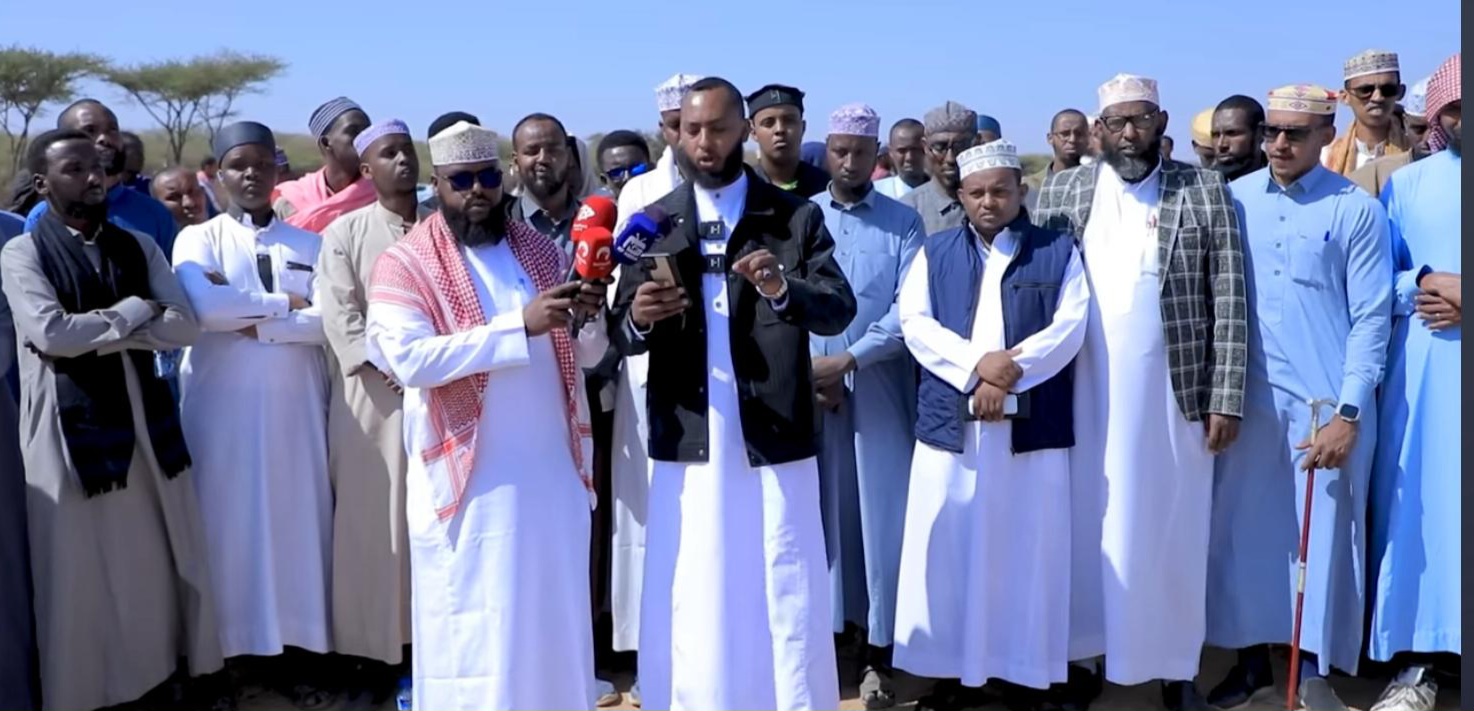
Hargeisa (PP Editorial) — The sentencing of a Koranic teacher in Burao (Togdheer) by the Appeals Court comes two years after the Somaliland Administration replaced the Somali Penal Code. The First Level Court had acquitted Mohamed Jama Hassan, but the ruling was overturned by the Appeals Court, which sentenced him to fourteen years’ imprisonment.
In areas under Somaliland Administration’s control, the media generally does not report on cases involving child abuse by teachers in either the formal or informal education sectors. Some legal experts in Hargeisa argue that the clan affiliations of the judge, the defendant and the claimant influence how a case is tried and whether it is reported. The claim by the Hargeisa Umbrella of Koranic Teachers that social media allegedly fuelled the child-abuse accusations, and that certain agencies were responsible for damaging the reputation of Koranic schools (malcaamado), merits proper investigation. Koranic school teachers have also asserted that at least nine teachers had been acquitted, yet the claimants who made false allegations faced no consequences.
It remains unclear whether the Togdheer Appeals Court tried the case under the General Appellate Section or the Assize Appellate Section. One teacher said that a judge in Burao had claimed to have handled more than fifty cases involving child abuse in Koranic schools in the city. It is widely known that, in areas under Somaliland jurisdiction, elders often settle rape cases out of court. Somaliland’s hybrid political system allows for the co-existence of the penal code and customary law, and when a defendant belongs to a minority or underprivileged sub-clan, the administration of justice faces significant hurdles that may result in miscarriage of justice.
The 2022 Joint Rule of Law Report noted that customary law fosters impunity when applied to criminal cases such as rape or murder. The Somaliland Administration has not yet published the new penal code. Traditional Dispute Resolution Policy was drafted before the replacement of the Somaliland Penal Code in 2023. Evidentiary safeguards for citizens, particularly Koranic school teachers, may be weakened if access to justice continues to be undermined by a lack of transparency in the operation of Somaliland’s courts.
The Somaliland Administration’s penal code is seen by some as a throwback to the colonial-era reliance on customary law, which denied British subjects in the former Somaliland Protectorate the right to have their cases adjudicated under a Common Law system. Under the current Somaliland Administration, the application of the penal code is perceived as serving the interests of sub-clans with political influence